Why Ethical Responsibility Is Crucial in Australia's Wildlife Surveillance

Ethical Responsibility Overview
In my years documenting the breathtaking biodiversity of the Daintree Rainforest, I've encountered firsthand the profound importance of ethical standards in wildlife work. These standards form the backbone of responsible spy technology use in conservation areas. Using cameras or any form of surveillance must be carefully aligned with preserving the dignity and privacy of the natural world.
Defining Ethical Standards
Ethical standards in this context refer to a set of guidelines designed to ensure that monitoring or filming does not disturb or harm wildlife. For those of us using a watch for kids or other digital tracking devices, it’s critical to remember that our tools, although advanced, should neither interfere with the habitat nor with the natural behavior of the fauna.
Importance in Wildlife Work
Working ethically is not just a feel-good mantra but a necessity for maintaining the integrity of our ecosystems. The use of a child watch with GPS tracker in research, for example, needs clear protocols to ensure that we are collecting data efficiently without causing undue stress to wildlife. It’s a delicate balance where care and technology meet.
Impact on Ecosystems
Every action we take impacts the ecosystem at some level. Our practices have a ripple effect, much like the interconnectedness one observes within the Great Barrier Reef Marine Park. By adhering to established ethical standards, not only are we respecting the environment, but we are also playing a part in the global effort to create sustainable ecosystems for future generations.
Australia's Wildlife Surveillance
Current Monitoring Practices
In Australia, monitoring wildlife isn't just about keeping tabs; it's about ensuring the health and balance of our unique ecosystems. Cairns Botanic Gardens, for instance, provides sanctuary to countless plant and animal species. To monitor such diverse environments, traditional methods like foot surveys and visual assessments are still crucial. However, the real shift lies in integrating technology to optimize efforts and gain more accurate insights into wildlife behavior and habitats.
Technologies Utilized
Advanced equipment is revolutionizing how we observe and protect nature. the best security system for wildlife surveillance often incorporates tools like infrared cam and camera outdoor setups. These help capture high-quality footage in diverse lighting conditions, day or night. Infrared technology ensures minimal disturbance, making it a preferred choice in delicate ecosystems like the Daintree Rainforest. Such tools grant videographers unparalleled access to capture intimate details without intrusion.
Challenges Faced
Despite advancements, challenges persist. Equipment durability in harsh environments, data management, and ethical considerations remain at the forefront. The integration of new tech must align with ethical standards to ensure our actions do not harm the environments we strive to protect. For instance, while deploying infrared cam can offer detailed observations, it’s crucial to balance technology use with wildlife well-being. Navigating these complexities demands a keen understanding of both the tools at our disposal and the ecosystems they inhabit.
By familiarizing ourselves with these practices and technologies, we empower our efforts to sustain and support Australia's rich biodiversity.
Ethical Practices in Surveillance
Ensuring Privacy and Respect
Embracing a strong ethical posture in wildlife surveillance is a journey that requires careful consideration of privacy and respect. It's essential to balance capturing authentic behavioral data while maintaining a respectful distance from both animals and their habitats. The invaluable knowledge we hold about advanced recording equipment can lead to innovative, non-intrusive methods for observation. This includes deploying devices such as hidden wireless cameras, which can be positioned at a distance within natural settings to record genuine behaviors. This approach not only ensures privacy for wildlife but also supports the preservation of habitats like those seen in the Daintree Rainforest.
Balancing Accuracy and Ethics
Every videographer needs to grapple with the challenge of obtaining precise footage without compromising ethical standards. The key is selecting the right tools to achieve high-quality results ethically. Employing technology like a shower spy camera designed for discreet monitoring offers transparency in documentation while minimizing disturbances in sensitive ecosystems. Precision in capturing behavior patterns must never override the ethical treatment of nature’s inhabitants. This practice echoes conservation efforts seen throughout Cairns' lush landscapes, from the Botanic Gardens to the majestic Great Barrier Reef Marine Park.
Promoting Sustainable Habitats
Videographers are uniquely positioned to foster sustainable practices through ethical filming techniques. Prioritizing devices that minimize environmental impact supports the broader goal of conserving natural ecosystems. By integrating state-of-the-art surveillance tools, we can document the intricate symbiosis within these habitats, supporting conservation initiatives aimed at preserving our world's precious biodiversity. In doing so, we empower ourselves and others to tread lightly in our pursuit of knowledge, ensuring that our impact remains respectful and conscientious.
Ethical Equipment for Videographers
In the vibrant world of videography, particularly for those with the keen eye and innovative spirit like Liam Bennett, the selection of equipment is paramount. As videographers increasingly participate in conservation efforts by documenting wildlife and natural environments, utilizing tools that minimize disruption becomes vital. When considering gear like a mini spy camera wireless, its compact design and discreet functionality can be extraordinarily beneficial. Such technology allows videographers to capture intimate wildlife moments without causing distress to the animal subjects.
Techniques for Minimal Disruption
To reduce impact on wildlife while filming, adhere to some ethical filming techniques. Ensure that filming distances are respectful, minimizing interference with natural behaviors. Use non-intrusive tools, like a nanny cam, which can seamlessly integrate into the surroundings without drawing attention. This is particularly crucial when filming in sensitive areas like the Daintree Rainforest.
Tools for Ethical Filming
Choosing the right tools can empower videographers to ethically contribute to conservation initiatives. Equipment such as mini cameras, designed for stealth and compactness, allows videographers to operate without altering the landscape. Among the suitable tools are wireless cameras offering flexibility while ensuring high-quality footage.
Collaborating with Conservationists
Building partnerships with conservationists not only enriches a videographer's work but also aligns projects with wider ecological goals. By participating in conservation projects, videographers gain insights from field experts, ensuring their work at sites like the Great Barrier Reef Marine Park upholds the highest ethical standards. Embracing the ethics of responsible filming contributes to preserving the delicate balance of our ecosystems.
Frequently Asked Questions
Addressing Common Concerns
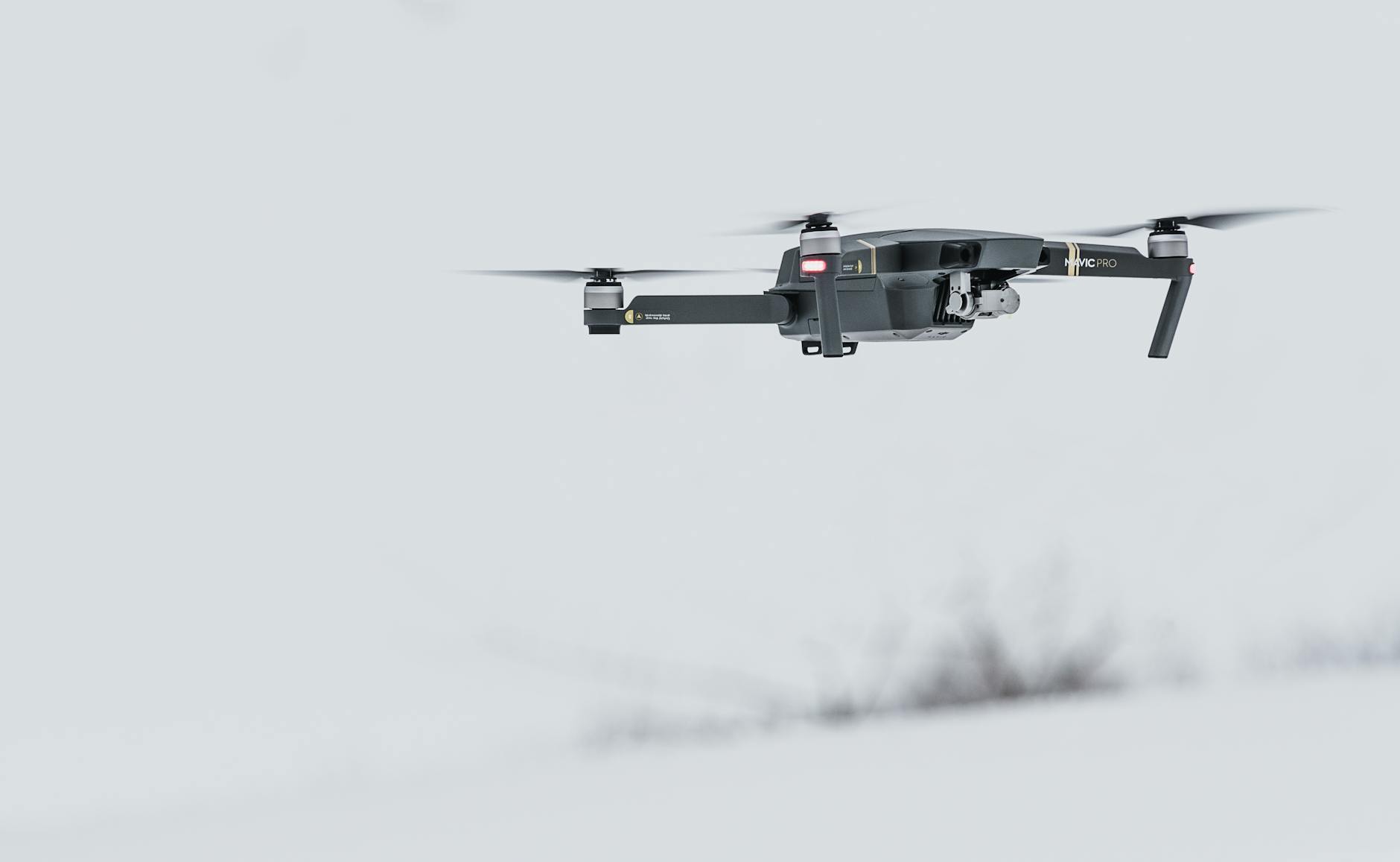
As a biodiversity custodian here in Cairns, it's essential to address common inquiries we encounter while working in places like the Daintree Rainforest, Cairns Botanic Gardens, and the stunning Great Barrier Reef Marine Park. One recurring concern is ensuring the respectful treatment of wildlife during filming, particularly when utilizing drones or other technology. It's crucial to equip ourselves with knowledge about staying connected with local wildlife experts and adhering to ethical guidelines. Another point of contention is the potential impact of surveillance equipment on the natural behavior of species. By prioritizing minimal intrusion practices, we can mitigate any negative effects our presence might have.
Staying Informed
Staying informed about the latest practices and advancements is fundamental to ethically engaging with wildlife. Enroll in workshops or seminars hosted by local conservation groups or institutions—we're fortunate to boast a robust network of experts here in northern Queensland. Use online platforms to connect with seasoned videographers who share similar ethics in wildlife documentation. Digital forums and newsletters offer valuable insights and updates, especially when you need how to work virtualization into your monitoring methods without compromising the integrity of the environment.
Resources for Responsible Filming
The path to responsible wildlife filming is paved with abundant resources that guide our day-to-day practices. Consider reaching out to the invaluable local societies that operate within our regional biodiversity hot spots. With a wealth of expertise in both the technical and conservationist aspects, they provide a comprehensive toolkit for the conscious videographer. Embrace the power of community by engaging with forums dedicated to sustainability—such synergy not only enhances our skill-set but ensures we uphold the sanctity of Australia’s unique ecosystems. This toolkit empowers us to adopt practices that respect both the flora and fauna flourishing in our diverse landscapes.